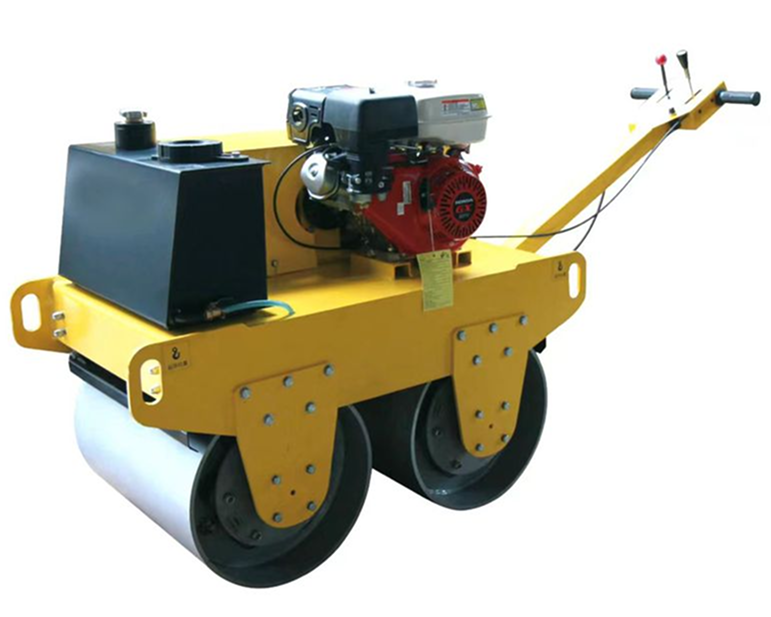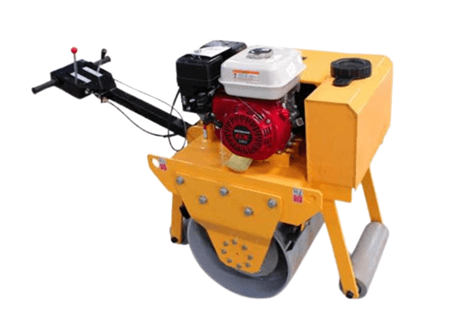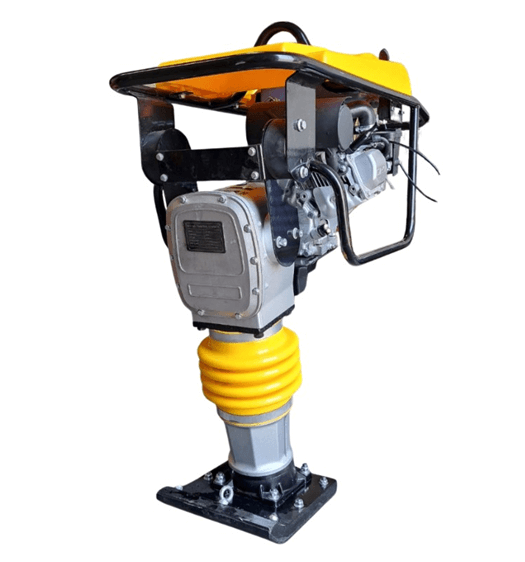
Before pouring any concrete, laying any paving, or finishing any trench, the ground underneath needs to be properly compacted. Use the wrong machine and the result looks solid until it isn't — settlement, cracking, and costly remediation follow.
Two machines dominate compaction work on UAE and GCC sites: the tamping rammer (jumping jack) and the plate compactor (vibratory plate). Both compact soil. They do it in completely different ways, and they work on completely different soil types.
How each machine works
A tamping rammer delivers repeated, forceful vertical blows through a small shoe at the base. Each blow drives compaction energy deep into the ground — effective on cohesive soils where vibration alone can't break the bonds between particles. The small footprint makes it the only viable option in trenches and confined spaces.
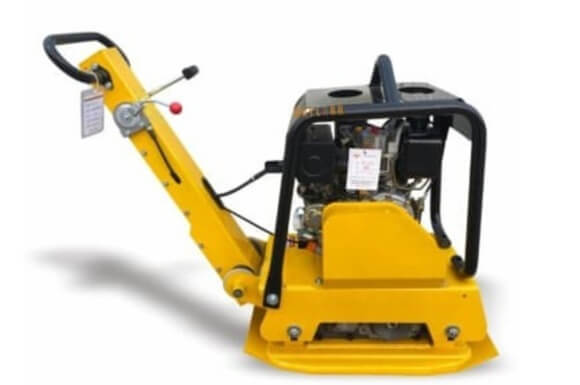
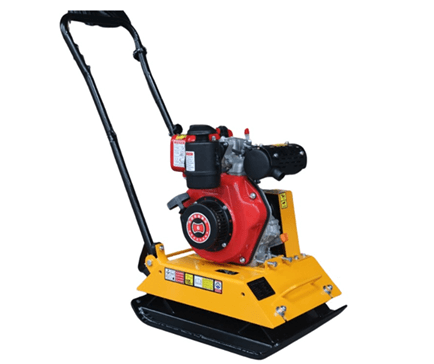
A plate compactor uses high-frequency vibration transmitted through a wide flat steel plate. As the machine moves forward, vibration causes granular particles to rearrange and lock tightly together. The wide plate covers significantly more area per pass.
Soil type is the deciding factor
Get this wrong and neither machine performs well regardless of how long you run it.
- Clay and cohesive soils: tamping rammer — impact force breaks cohesive bonds and expels water and air that vibration cannot reach.
- Silt: tamping rammer — similar properties to clay; vibration doesn't penetrate effectively.
- Sand and gravel: plate compactor — granular particles respond directly to vibration, settling into dense arrangements quickly.
- Crushed aggregate and road base: plate compactor — high-frequency vibration densifies angular material efficiently.
- Asphalt: reversible plate compactor — vibration compacts uniformly without the surface tearing risk of impact.
UAE site note: open areas on most UAE sites are dune sand or granular fill — plate compactor territory. Trench backfill is frequently imported clay or mixed material — rammer territory. Many contractors need both.
When to use a tamping rammer
- Trench backfilling — sewer lines, water mains, cable ducts, foundation trenches
- Backfilling around structures — pile caps, retaining walls, column bases
- Any clay or cohesive soil
- Confined access where a plate compactor physically cannot fit
- Deep lifts — rammers compact thicker soil layers per pass than plate compactors
When to use a plate compactor
- Compacting sand, gravel, and crushed aggregate over open areas
- Paving work — interlocking blocks, asphalt patching, kerb bedding
- Road base and sub-base preparation
- Large surface areas where coverage speed matters
- Any job where operator fatigue over a long shift is a concern
Can you use one machine for both jobs?
No. A plate compactor on clay produces poor compaction that fails under load. A rammer on granular soil wastes time — impact doesn't efficiently densify free-draining particles. The performance gap between the right tool and the wrong one is significant on both soil types. If your site involves both, you need both machines.
Which Baylorr compaction machine is right for you?
Tell us your soil type and site conditions and we'll point you to the right model. Browse compaction equipment or contact us for same-day pricing and delivery across the UAE and GCC.